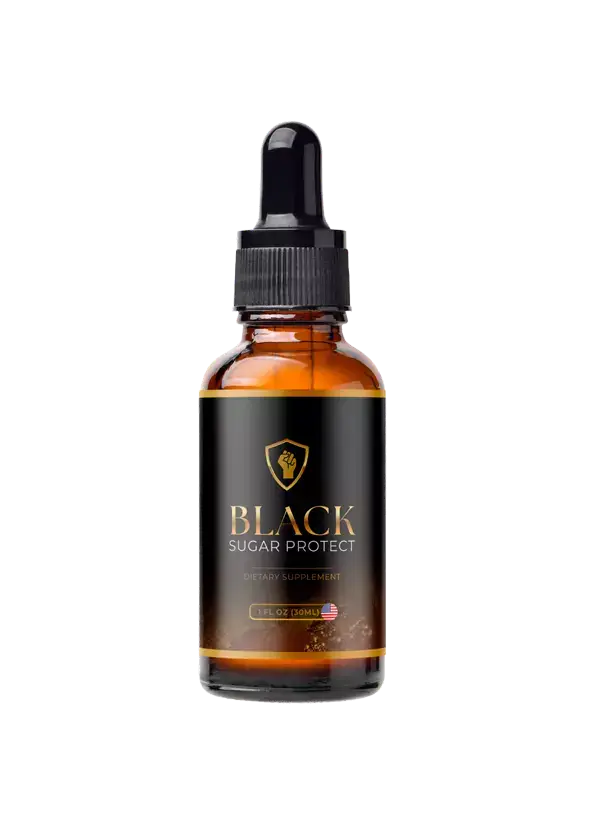
Chromium turns up in nearly every metabolic support formula. The evidence behind it is shakier than that ubiquity suggests, and the gap is worth understanding.
What Chromium Is, Beyond Black Sugar Protect
Chromium is a trace mineral required in very small amounts. Broccoli, whole grains, meat and brewer's yeast supply it, though quantities swing with soil conditions and processing.
It has a recognised role in normal macronutrient metabolism, and research has examined a possible part in insulin signalling. Supplements generally use chromium picolinate, a chelated form chosen for absorption.
Worth clarifying: this is trivalent chromium, the form in food and supplements. It is entirely different from hexavalent chromium, an industrial contaminant that is toxic. The two are frequently conflated.
Why The Chromium Evidence Is Mixed, And Black Sugar Protect Cannot Resolve It
Stating this plainly, since marketing in this category rarely does: trials of chromium supplementation for blood sugar have produced inconsistent results. Some report modest effects, particularly among people with poorer baseline control. Others find no significant effect.
Systematic reviews have broadly concluded the evidence is not strong enough to support routine recommendation for blood sugar management. A further complication is that clear chromium deficiency is uncommon among people eating varied diets, and supplementing is weakest justified where no shortfall exists.
Our chromium ingredient page covers this in more detail.
What The Chromium Evidence Means For Black Sugar Protect
Chromium's presence in a formula is conventional and defensible. It is not a reason to expect a particular outcome, and any page presenting chromium as a proven blood sugar intervention has overstated the literature.
It appears in Black Sugar Protect among six named ingredients, at an undisclosed amount, in a formula the brand states has never been tested as a finished product.
Chromium Safety Alongside Black Sugar Protect
Chromium picolinate is generally well tolerated at typical supplemental amounts. Isolated case reports describe kidney and liver effects at high doses over long periods, and anyone with kidney or liver disease should seek medical advice before supplementing.
It may act additively alongside diabetes medication, which is worth raising with a pharmacist. See what the formula is positioned to support for wider context.
General information, not medical advice
This article is educational and is not a substitute for consultation with a qualified healthcare professional. The statements on this website have not been evaluated by the U.S. Food and Drug Administration. Black Sugar Protect is a dietary supplement and is not intended to diagnose, treat, cure, or prevent any disease. It is not a treatment for diabetes and must never replace prescribed medication. Individual results may vary.
Related Black Sugar Protect Wellness Reading
More on the product: what Black Sugar Protect supports, how the formula is positioned, the six ingredients, or the FAQ.