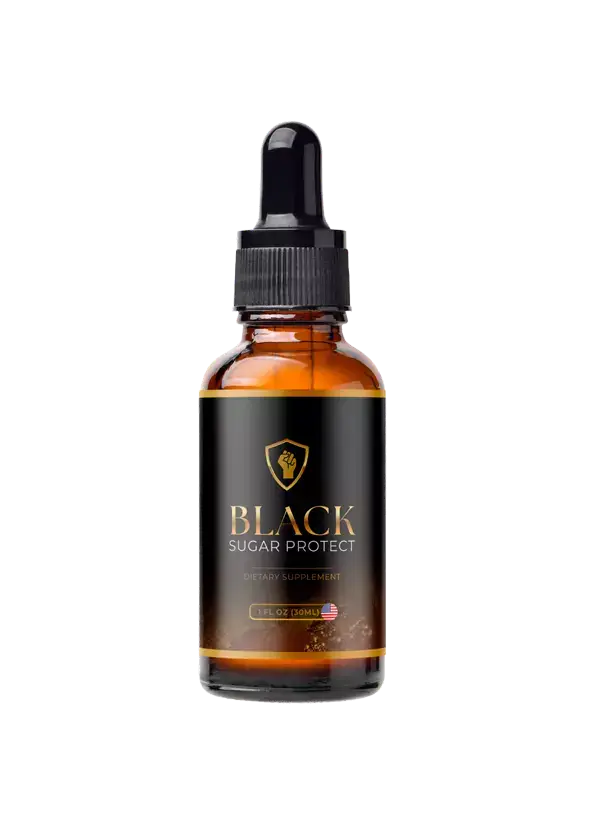
What Ceylon Cinnamon Is, Before Black Sugar Protect
Most people treat cinnamon as a single thing. It is two, sold under one name. Ceylon cinnamon comes from Cinnamomum verum, native to Sri Lanka and often called true cinnamon. Cassia comes from Cinnamomum cassia and its relatives, and fills the overwhelming majority of supermarket jars.
They differ in more than price. Ceylon is pale, delicate and comparatively mild; Cassia is darker, harsher and stronger. You can tell them apart at a glance — Ceylon quills are thin, brittle and layered like a rolled cigar, while Cassia is one thick, hard curl of bark.
The difference that matters for a daily supplement is coumarin. Cassia contains a great deal more of it, and coumarin has been associated with liver effects at high sustained intake — to the point that European food safety bodies publish tolerable daily intake guidance partly with cinnamon consumption in mind.
How Ceylon Cinnamon Fits Into Black Sugar Protect
Choosing Ceylon costs the manufacturer more and buys a real safety margin. For something designed to be taken daily across months — exactly the pattern where coumarin accumulation stops being theoretical — that is a defensible formulation decision rather than a marketing flourish.
It sits alongside berberine and chromium among the components researched specifically around glucose metabolism, and supplies the culinary botanical element of the blend.
Ceylon Cinnamon Research Context For Black Sugar Protect
Cinnamon has been examined fairly extensively in relation to insulin signalling, with proposed mechanisms involving compounds that may influence insulin receptor activity and cellular glucose uptake.
The human trial evidence is mixed, and pretending otherwise would be dishonest. Some studies report modest movement in fasting glucose markers; others find nothing significant. Meta-analyses have landed in different places, complicated by trials using different cinnamon species, doses, durations and populations.
There is an additional wrinkle specific to this formula. Much of the published cinnamon research used Cassia rather than Ceylon, which makes applying those findings to a Ceylon product less straightforward than it first appears. Combined with the undisclosed amount here and the absence of any trial on the finished formula, the honest position is that research has investigated cinnamon compounds in metabolic contexts — not that this product produces an effect.
Limits Of The Ceylon Cinnamon Evidence For Black Sugar Protect
Two constraints apply to this ingredient exactly as they apply to the other five, and they are worth restating here rather than assuming you met them on another page.
The amount is undisclosed. Black Sugar Protect does not publish per-ingredient quantities, so nobody can line this formula up against the doses used in the research described above.
The finished product has never been tested. The brand states that the complete formula has not been studied in its own clinical trial. Research on Ceylon Cinnamon as an isolated compound does not establish what this product does.
Ceylon Cinnamon Safety Context For Black Sugar Protect Users
Ceylon cinnamon as a food is well tolerated, with centuries of culinary use behind it. Selecting Ceylon substantially defuses the coumarin concern attaching to regular Cassia consumption.
Points worth raising with a healthcare professional: cinnamon may exert a modest additive effect alongside blood sugar medication; it may interact with drugs processed by the liver; and allergic reactions or mouth irritation occur in some people. Anyone with liver disease should discuss regular cinnamon supplementation with their doctor.
Cinnamon in a supplement is not a treatment for any condition and does not substitute for prescribed medication or dietary management.
General information, not medical advice
This page explains what an ingredient is and what research exists around it. It is not a claim that the ingredient produces any specific effect, and it is not medical advice. Black Sugar Protect is a dietary supplement and is not intended to diagnose, treat, cure, or prevent any disease. It is not a treatment for diabetes. Never stop or change prescribed medication because of anything read here. Individual results may vary.
Related Black Sugar Protect Ingredients
Continue with all six Black Sugar Protect ingredients, how the formula works, the benefits overview, or current pricing.