
How Black Sugar Protect Works
How the six ingredients are positioned, what the research on each actually shows, and why ingredient studies are not evidence for a finished product.
How Black Sugar Protect Supports Metabolic Wellness
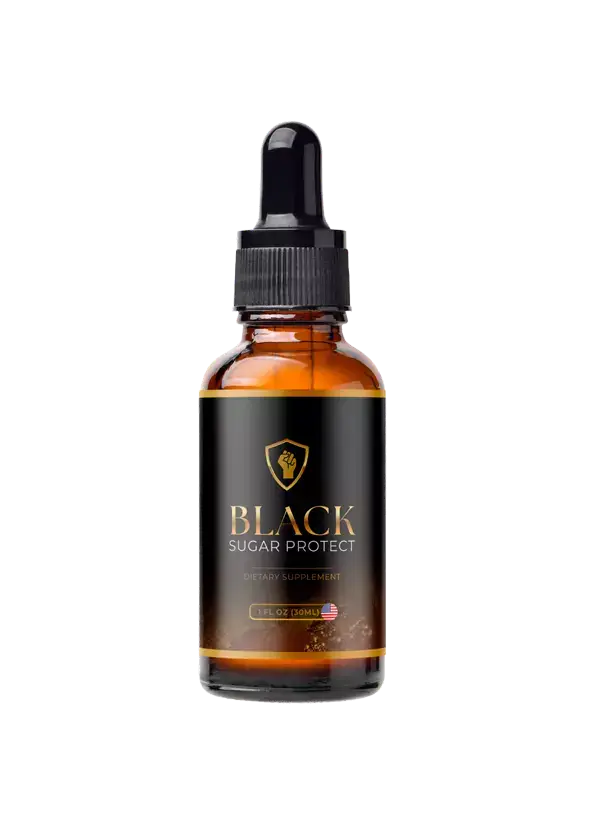
Black Sugar Protect brings together six ingredients, each researched to some degree in relation to glucose metabolism or general metabolic function. The approach is multi-ingredient rather than built around a single compound at a high dose.
Before any of the detail, the distinction that governs this entire page. Research exists on individual ingredients, generally at defined doses in defined study populations. That is not evidence for this finished product. The brand states Black Sugar Protect has not been studied in its own clinical trial, and per-ingredient amounts are not published.
So the accurate framing is that the formula is assembled from compounds with a research record. It is not a formula that has demonstrated a result. Anyone claiming berberine studies prove Black Sugar Protect works is making a leap the evidence does not support.
Read this before trying Black Sugar Protect
Black Sugar Protect is a dietary supplement, not a medication. It does not treat diabetes and must never be taken in place of insulin, metformin or anything else your doctor has prescribed. No supplement should ever be a reason to change prescribed treatment.
Talk to a doctor or pharmacist first if you take medication for blood sugar, blood pressure, blood thinning or your heart. Berberine alters how the body processes many common prescriptions, and licorice root can raise blood pressure and lower potassium. Stacking glucose-lowering ingredients on top of glucose-lowering medicine can drop blood sugar further than intended.
Not suitable during pregnancy or breastfeeding, or for anyone under 18. If you are managing blood sugar, carry on monitoring exactly as your care team advised and keep your appointments — untreated high blood sugar does cumulative damage, and no supplement changes that.
How Black Sugar Protect Brings Six Ingredients Together
What each compound is, and what the research on it does and does not establish.
Berberine
A plant alkaloid and the most extensively studied compound in this category. Research has examined its interaction with AMPK, an enzyme central to cellular energy regulation and sometimes described as a metabolic master switch. Published meta-analyses report associations with glucose markers in study populations.
The caveats carry real weight. Trials typically use several hundred milligrams two or three times daily, split deliberately because berberine is poorly absorbed — and this product publishes no amount. Berberine also brings the formula's most significant interaction profile, affecting enzymes that metabolise many common prescriptions.
Ceylon Cinnamon
True cinnamon from Cinnamomum verum, specified over the Cassia variety that fills most supermarket jars. Research has looked at cinnamon compounds in relation to insulin signalling, with trial results that are mixed rather than settled.
The Ceylon choice is a genuine safety decision rather than a marketing flourish. Cassia carries substantially more coumarin, associated with liver effects at high regular intake — precisely the scenario a daily supplement creates.
Alpha-Lipoic Acid
A compound the body makes in small amounts and uses in mitochondrial energy metabolism. Unusually among antioxidants it is soluble in both water and fat, letting it operate across different cellular environments.
It has been researched around insulin sensitivity and, more substantially, for diabetic neuropathy in clinical settings — often at doses well above what a general wellness product would contain, and under medical supervision. That is a different context from daily lifestyle support.
Magnesium
An essential mineral behind hundreds of enzymatic reactions, including those handling glucose and insulin. Its role in normal energy-yielding metabolism is an officially recognised nutritional function, which puts it on firmer ground than most supplement ingredients manage.
Falling short of recommended intake is common, and observational research links lower magnesium status with poorer metabolic markers. As with most nutrients, the case is strongest for correcting a genuine shortfall rather than topping up someone already replete.
Chromium Picolinate
A trace mineral in a chelated form chosen for absorption. Chromium has a recognised role in normal macronutrient metabolism and has been investigated for a part in insulin signalling.
The evidence here is genuinely mixed, and we are not going to round it up. Trials and reviews of chromium supplementation for blood sugar have produced inconsistent findings — some modest effects, some none at all. Clear deficiency is also rare in anyone eating a varied diet.
Licorice Root
A botanical with one of the longest documented histories in Chinese, Ayurvedic and European herbal practice. Preliminary research has examined certain licorice compounds in metabolic contexts, mostly at laboratory and early-stage level.
Licorice carries the firmest safety ceiling in this formula. Its main compound, glycyrrhizin, can raise blood pressure and lower potassium with regular use. That is well documented and clinically relevant, particularly alongside hypertension, diuretics or heart medication.
What Black Sugar Protect Research Does And Does Not Establish
Conflating two different kinds of evidence is the most common way supplement marketing misleads people, so it is worth naming the distinction outright.
Ingredient-level evidence. Studies of a single compound, at a stated dose, in a defined population, measuring defined outcomes. Berberine has a substantial body of this. Magnesium's nutritional roles are officially recognised. Alpha-lipoic acid has been studied clinically. This evidence is real and worth knowing about.
Finished-product evidence. A trial of the actual formula, at its actual doses, in the format sold. Black Sugar Protect does not have this. The brand says so itself.
Why the gap matters. Combining ingredients does not guarantee their individual effects add together. Doses matter enormously and are undisclosed here. Format affects absorption. A liquid holding six compounds at unpublished quantities is simply not the same intervention as a trial administering 500 mg of berberine three times a day.
Put plainly: berberine has been studied for its potential role in metabolic pathways, but ingredient-level research does not establish the effectiveness of the finished Black Sugar Protect formula. That sentence is the honest summary of this page.
How Black Sugar Protect Fits Into A Daily Routine
Follow the label
Use the directions on the bottle you receive rather than any website, this one included. The brand describes taking it with a glass of water before meals and stresses consistency. Do not exceed the stated amount.
Keep the foundations
Diet, activity, weight and sleep influence metabolic health far more than any supplement. The formula is explicitly positioned to complement these — our daily habits guide covers the practical version.
Involve your doctor
If you monitor blood sugar, keep doing so as advised and take any change to your care team rather than acting on it alone. If you take medication of any kind, clear the supplement with a pharmacist before starting.
Read The Black Sugar Protect Ingredient Detail
Six dedicated pages covering research context, evidence limits and safety for each compound.
Individual results may vary. Not a treatment for diabetes and not a replacement for prescribed medication. Confirm current pricing and guarantee terms at the official checkout.